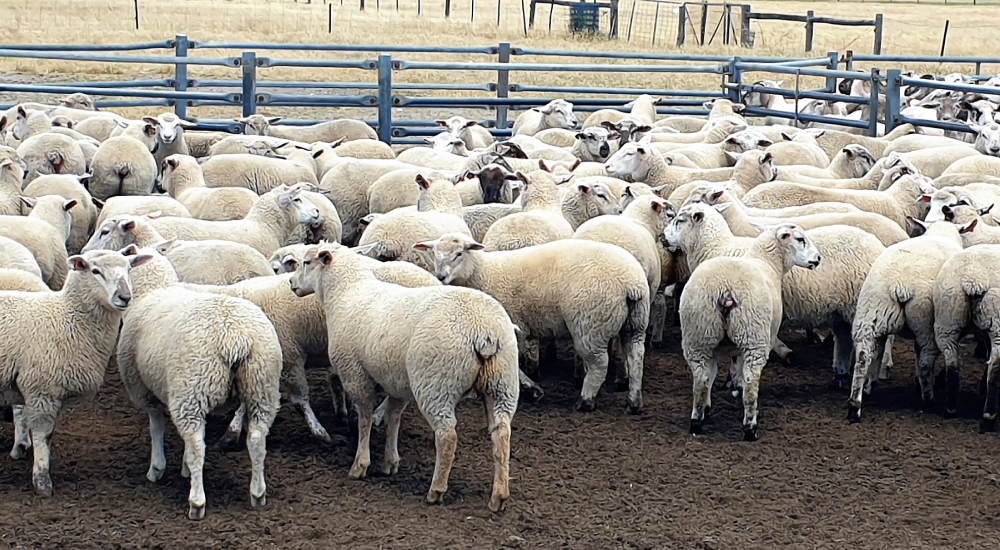
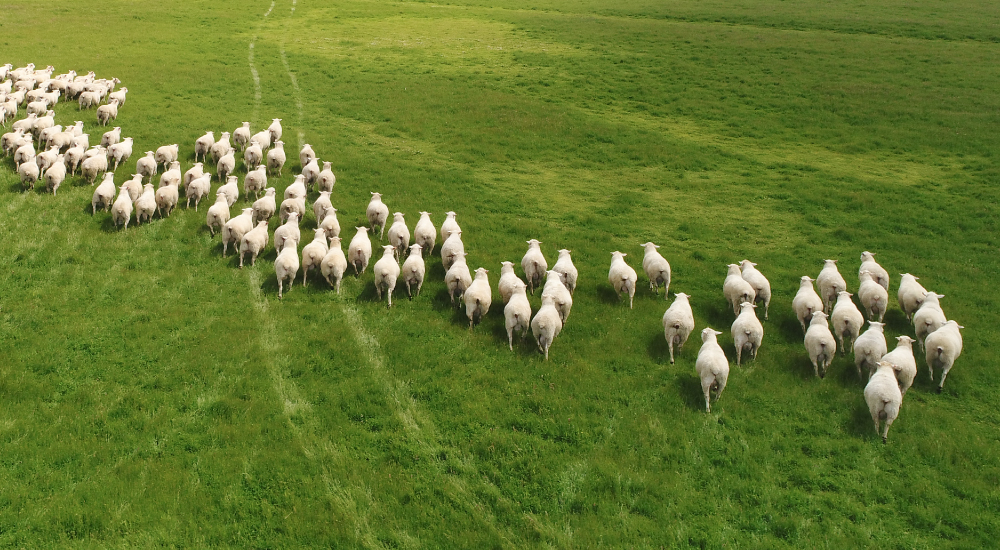
Give your flock a maternal injection with Kiranda Maternal.
Increase the mothering ability of your flock with higher lamb output, producing more twin lambs. Reduce frame size and feed requirement, better pasture utilisation, higher stocking rates. Lower animal health and management input.

Kiranda Maternal Flock Goals

Production efficiency
High lifetime lamb output
÷ low maintenance feed requirement
= more kgs of lamb per kgs of feed eaten

High fertility
Early sexual maturity:
7 to 8 month ewe lambs scan 140% @ 45kgs
1½ year ewes scan 180% @ 60kgs
Mature ewes scan 200% @ 65–70kgs

Moderate weight
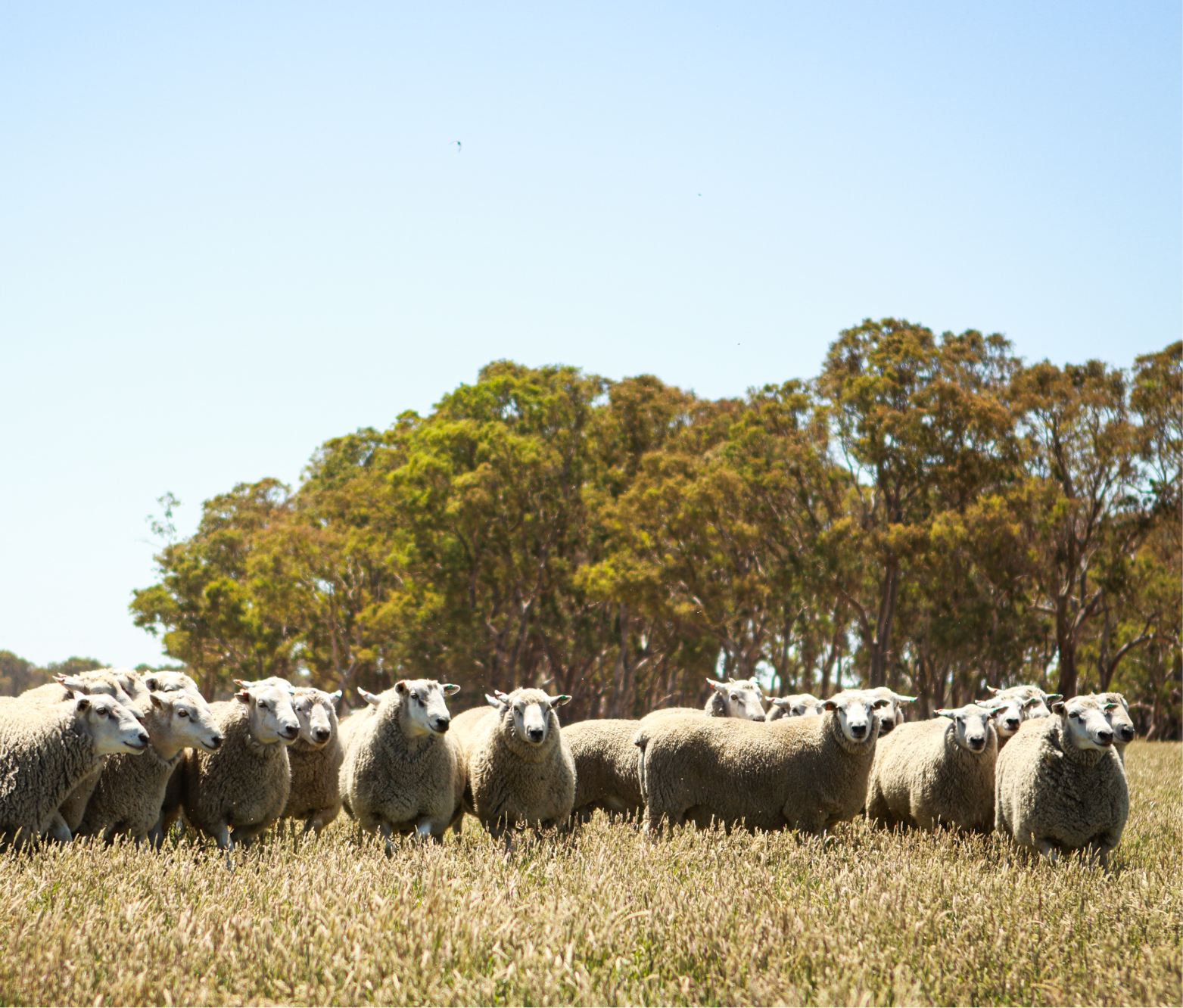
Better for shearers and general stock handling, they maintain a moderate ewe frame ≤ 70 kgs,and require lower feed maintenance.

Low maintenance
A low feed requirement and good temperament, make for easy handling. With less health issues than other breeds, they also have strong worm resistance.

High survival
A large pelvic area reduces lambing problems resulting in small, high vigour lambs, that are quick on their feet. A strong maternal instinct and loving nature aids in their survival, along with high fat, high volume milk supply.

Fleece
Consistent, tight 4kg fleece with clear points, and the ability to reduce micron without reducing your lamb production. Currently ≤ 32 micron, Kiranda Maternal are ideal for crossing with Merino.

High pasture utilisation
Match high seasonal feed supply with high feed demand from pre lamb to weaning. 8 months low feed requirement matched with low feed supply and less supplementation.

Pasture improvement
Effective mob grazers when on rotation, Kiranda Maternal will improve your pasture supply and quality with good infrastructure and management.

Good structure
Black feet and points result in less foot problems in wet or long grass and longevity with low cull rates.
BREEDING
Kiranda continues to breed according to our breeding objective and supply mature rams that will give our customers a maternal injection, no matter what the base breed. The resulting females will wean more multiple lambs from conception at higher efficiency.
OUR BREEDING SYSTEMS > VIEW ON LAMBPLAN >
HISTORY OF THE KIRANDA MATERNAL
The Kiranda Maternal is a continuation of the Highlander Maternal sheep breed, originally developed in the late 90’s by New Zealand farmers Andy Ramsden and Grant Massie, to capitalise on lamb output as the major profit driver. After
experimenting with a range of breed mixes the three breed Romney x Finn x Texel best delivered on their breeding objective of:
- 2 live lambs
- Low input (feed requirement, management, health)
- Last a long time (longevity)
LEARN MORE
ADDITIONAL BENEFITS
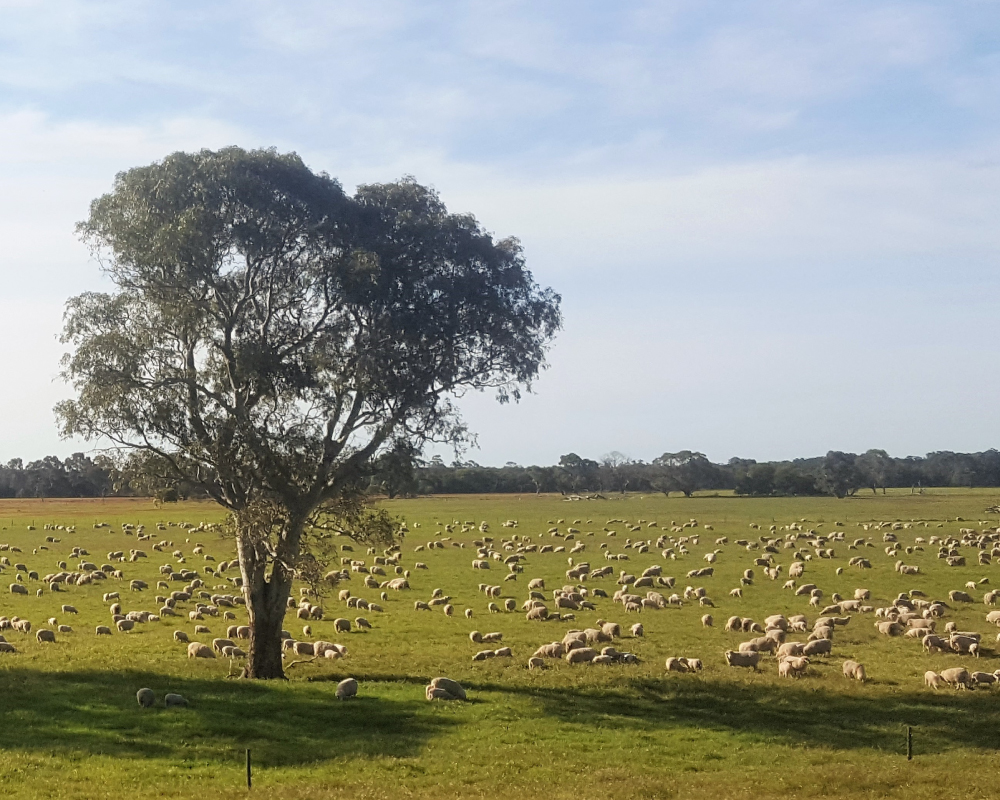
Grazing
The grazing benefit of Kiranda Maternal ewes is hard to quantify but a major benefit to production.
When you move a mob of Kiranda ewes and lift your head up after shutting the gate, you will notice that the ewes would have spread swiftly to cover the whole paddock.
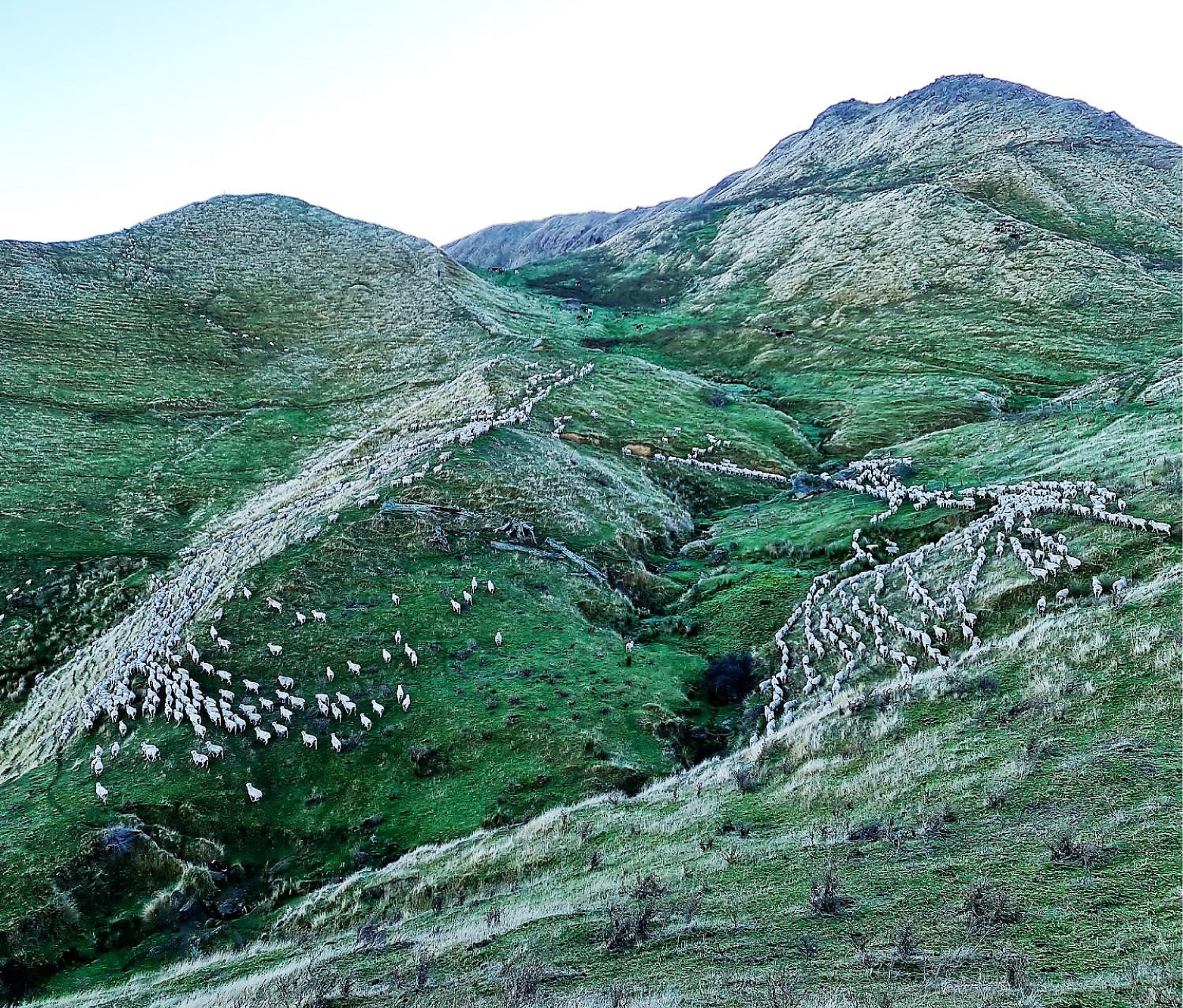
They are even grazers and work well run in large mobs. Especially if you can aim to develop your farm infrastructure to enable a winter rotation.
- Large mobs
- Short, hard, non-selective grazing
- Long spells
This will improve your pasture density and quality with faster growing pasture species outperforming and replacing poorer species.
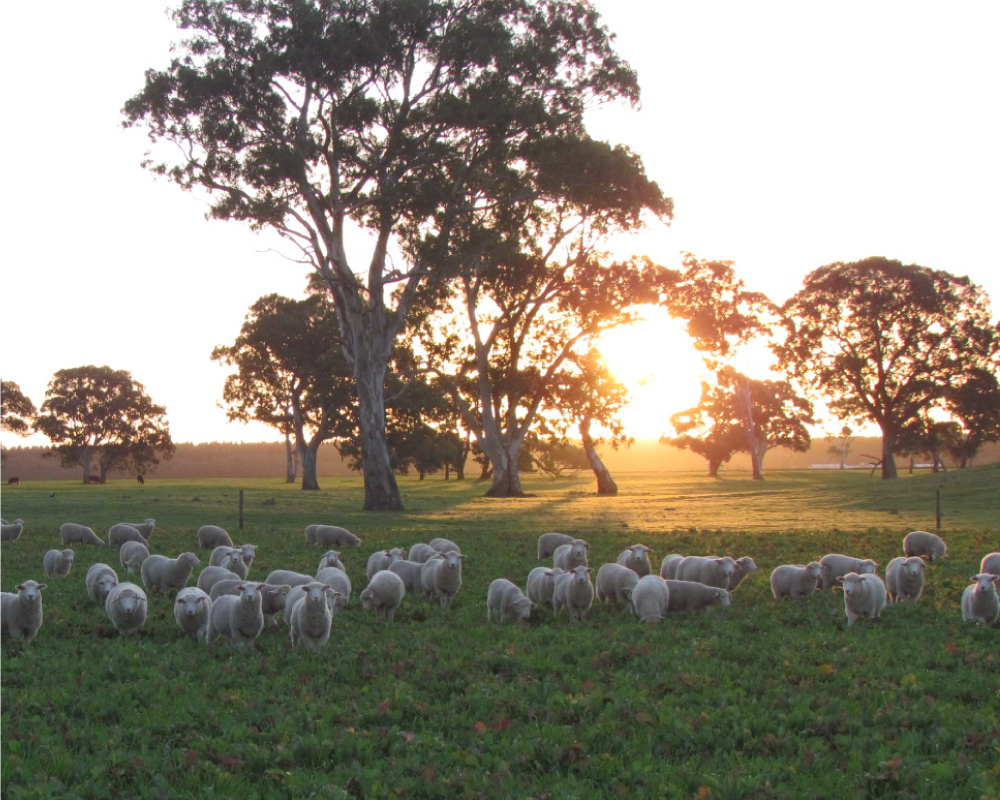
Risk management
Compared to lower weaning rate sheep, they are an easy breed/tool to destock or restock to match the upcoming season, (lambing as a lamb and more ewe lambs from your self-replacing flock).
Farming is and will always be a challenge, with curveballs like flood, fire and drought. Good seasons and bad.
These sheep are a great risk management tool to help insulate against:
- The season
- High ewe replacement costs
- High supplementary feed costs
- Poor ewe efficiency
- Dystocia / prolapses / lamb loss
- Shearer & crutcher complaints
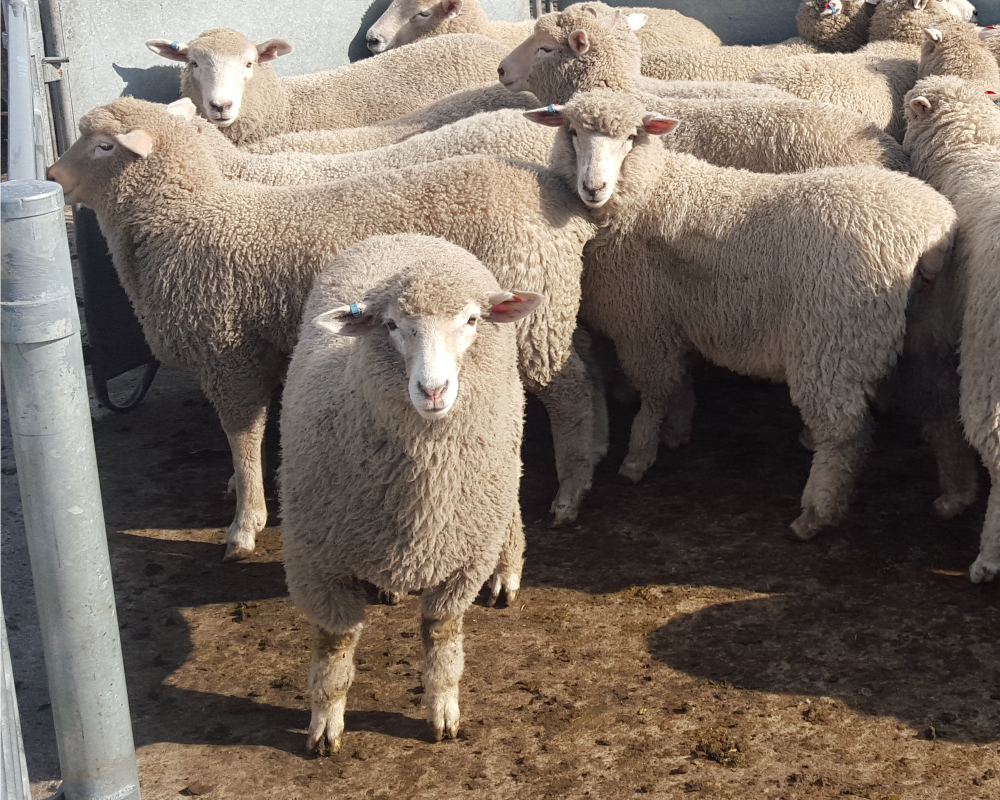
Shearing
It’s getting harder to attract shearers when sheep are too big, won’t sit and wool doesn’t cut or is difficult to get at.
Shearers love our sheep – with less weight to drag clear points and easy combing, shear time and agitation is dramatically reduced.
This also attracts better shearers, resulting in more efficient flock shearing and less down time with sheep standing in the yards.
We now look at shearing as a tool to increase the lamb production capability of our flock.